
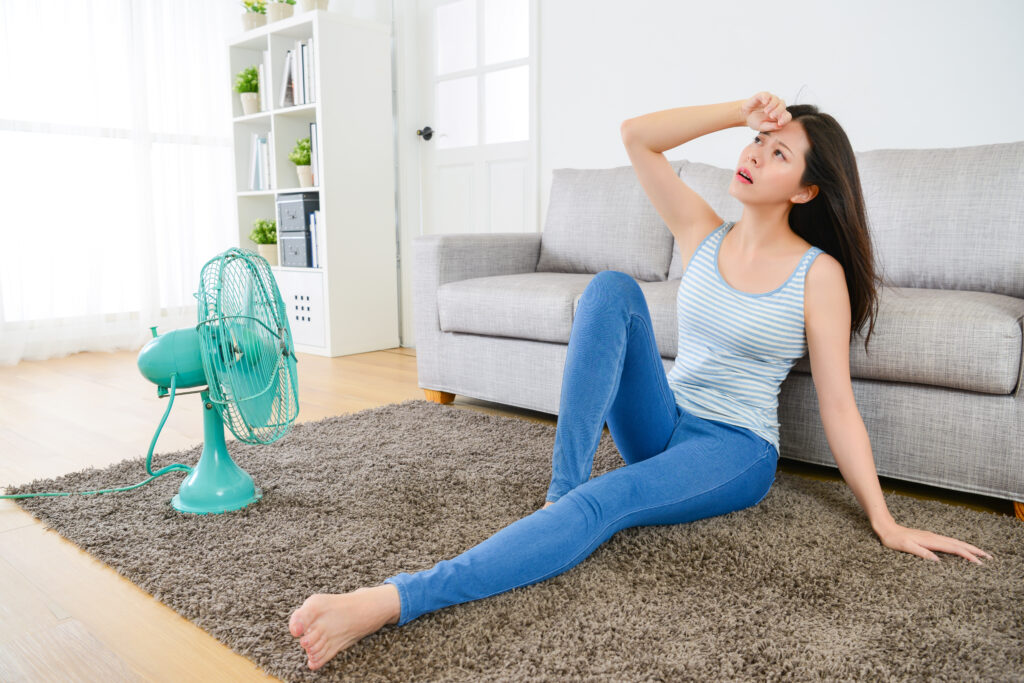
With summer fully upon us, you are undoubtedly experiencing some of Nashville’s oppressive humidity. While we have ways of dealing with the sweaty weather, are our floors equally equipped to stand up against all this warmth and moisture? Let’s break down how laminate and vinyl floors hold up in the heat and humidity, and determine if either floor fares better.
Laminate Flooring and Humidity
Laminate flooring is made of many layers compressed into a plank, with the image usually emulating hardwoods. The core component of laminate is fiberboard, which is generally made of wood or plant fibers. Fiberboard makes up most of the laminate board, which means laminate isn’t far from hardwood flooring when it comes to natural composition. At the very top layer is a protective film that helps seal the materials beneath it and protect the floor from scratches and moisture. But laminate is mostly made of natural materials, which do react with high levels of moisture.
So, does laminate flooring expand in the summer? The answer is yes, though how much depends on a few key factors. Interior humidity during the summer is usually lower than outdoor humidity, provided your home is well ventilated and air conditioning is in use. Air conditioning reduces the humidity in your home by cooling the air, which in turn helps protect laminate flooring from wet, summer air. If laminate is installed correctly and used in rooms where moisture isn’t a high risk factor (like bathrooms and kitchens), the expansion should be limited and not cause issues in your home. Much like hardwood flooring, laminate is able to expand and contract depending on temperatures and humidity, within a certain threshold.
Extreme humidity can permanently damage laminate flooring, however, so opt for using dehumidifiers if your home is incredibly humid during the summer. But laminate isn’t the only affordable floor covering available to consumers—vinyl is another popular option for homeowners and business owners alike.
So, in the matchup of laminate vs vinyl flooring, which is better during a humid Nashville summer?
How About Vinyl Flooring?
Vinyl flooring is composed of plastics layered underneath a protective layer. Much like laminate, vinyl flooring has an image layer that can mimic materials like hardwood and even marble. Vinyl can be made of recycled materials, too, making it eco-friendly. But is vinyl or laminate better for moisture?
The bottom line is that vinyl is a better option for resisting humidity and moisture in the summer than laminate. Vinyl is naturally waterproof, and the plastic of vinyl does not absorb moisture, making it much more resistant to humidity and direct contact with water. When properly installed, vinyl flooring protects the subflooring from spills and liquids, making it a great option for bathrooms and kitchens. Overall, vinyl is a better choice when humidity is a concern, and here in Nashville, that’s almost always a concern.
While laminate won’t be immediately ruined by high summer humidity, it’s not nearly as resilient as vinyl. If you want peace of mind in your home or business during the summer, and humidity levels are hard to control in your space, consider vinyl flooring.
Want to learn more about the pros and cons of vinyl, laminate, and other flooring options for your Nashville business or home? Drop us a line to learn about the types of flooring we offer at Ozburn-Hessey.